

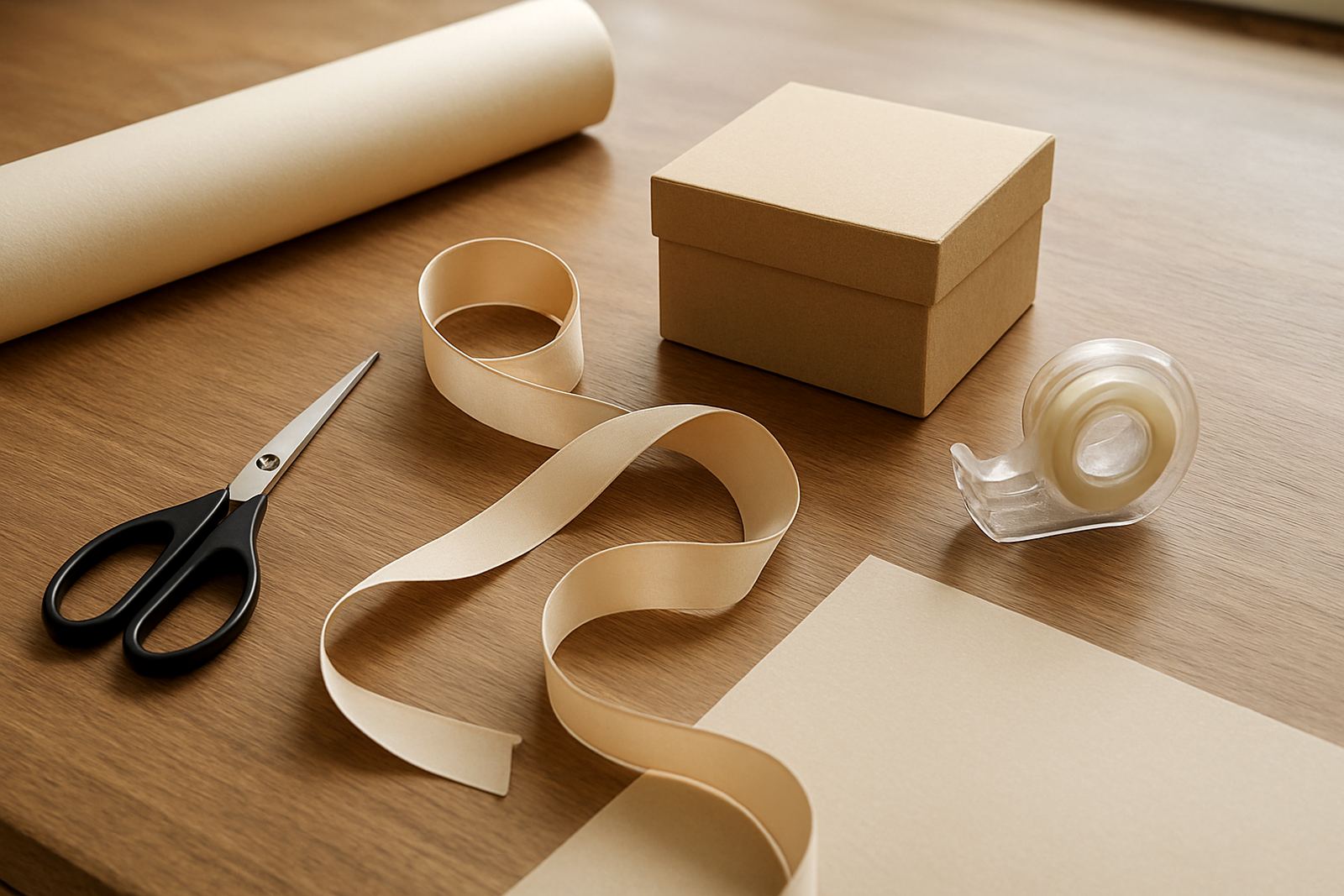







How to choose the right guide for the job
Start with the kind of gift you are preparing. A flat box needs a different approach to a bottle, a hamper tray or a wedding favour, and the finish depends on that first choice. If you are working with delicate paper, glossy ribbon or mixed items, it helps to follow the guide that matches the shape and weight of the gift rather than forcing one method for everything.
For home gifting, the aim is usually neat and personal. For corporate orders, consistency matters more, especially when packing 20, 50 or 200 units for a function in Sandton, Cape Town or Durban. Choose a guide that matches your volume, your available time and whether the gift will be handled in transit or handed over on site.
Paper wrapping that stays neat in warm weather
Paper wrapping can look crisp in a cool room and then lift at the corners once the parcel sits in a hot car or gets packed near a window. To help with that, cut clean folds, press each edge firmly and keep tape lengths short. If the paper is thin, overlap the joins slightly rather than stretching it too far. That gives a tidier finish and helps the wrap hold its shape.
- Use a firm base surface so the gift does not move while you fold.
- Measure the paper with a small overlap, then trim once.
- Keep tape hidden under the folds where possible.
- For glossy paper, work slowly so the surface does not crease.
In humid coastal areas like Durban, avoid leaving wrapped gifts near open doors or in a car boot for long. Even a good wrap can soften if it is exposed too long, so finishing closer to collection time is usually safer.
Ribbon finishing for weddings and formal gifts
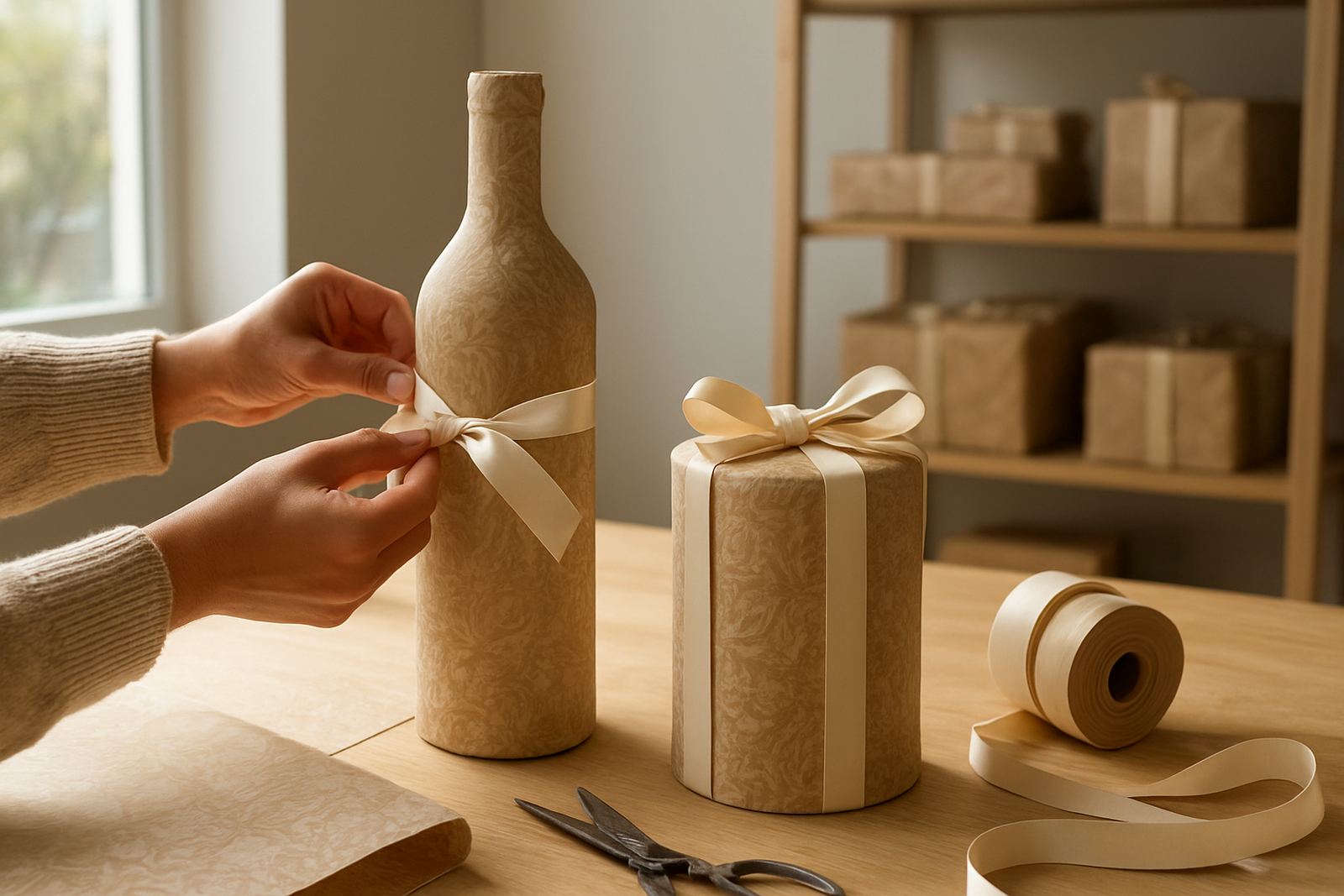
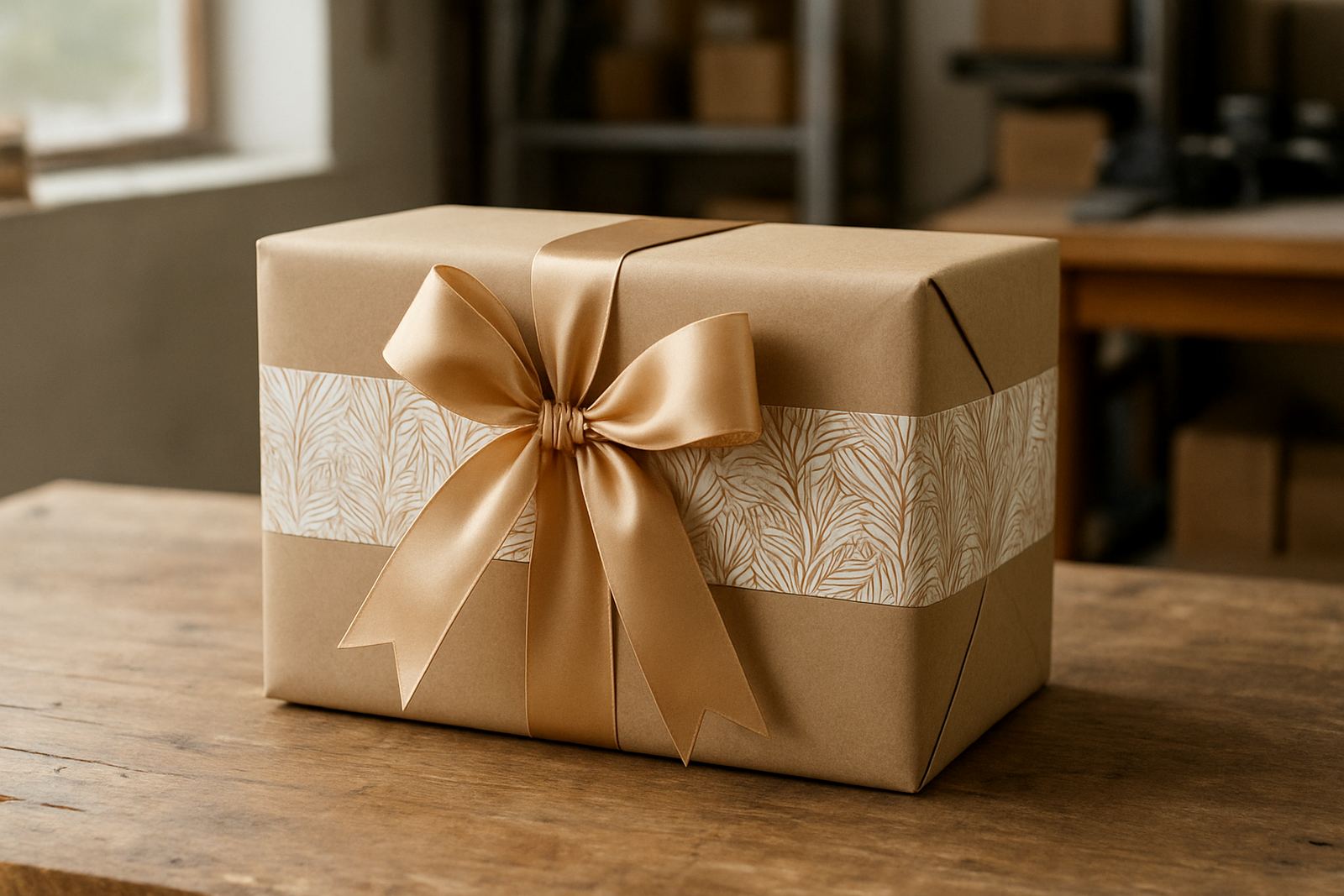
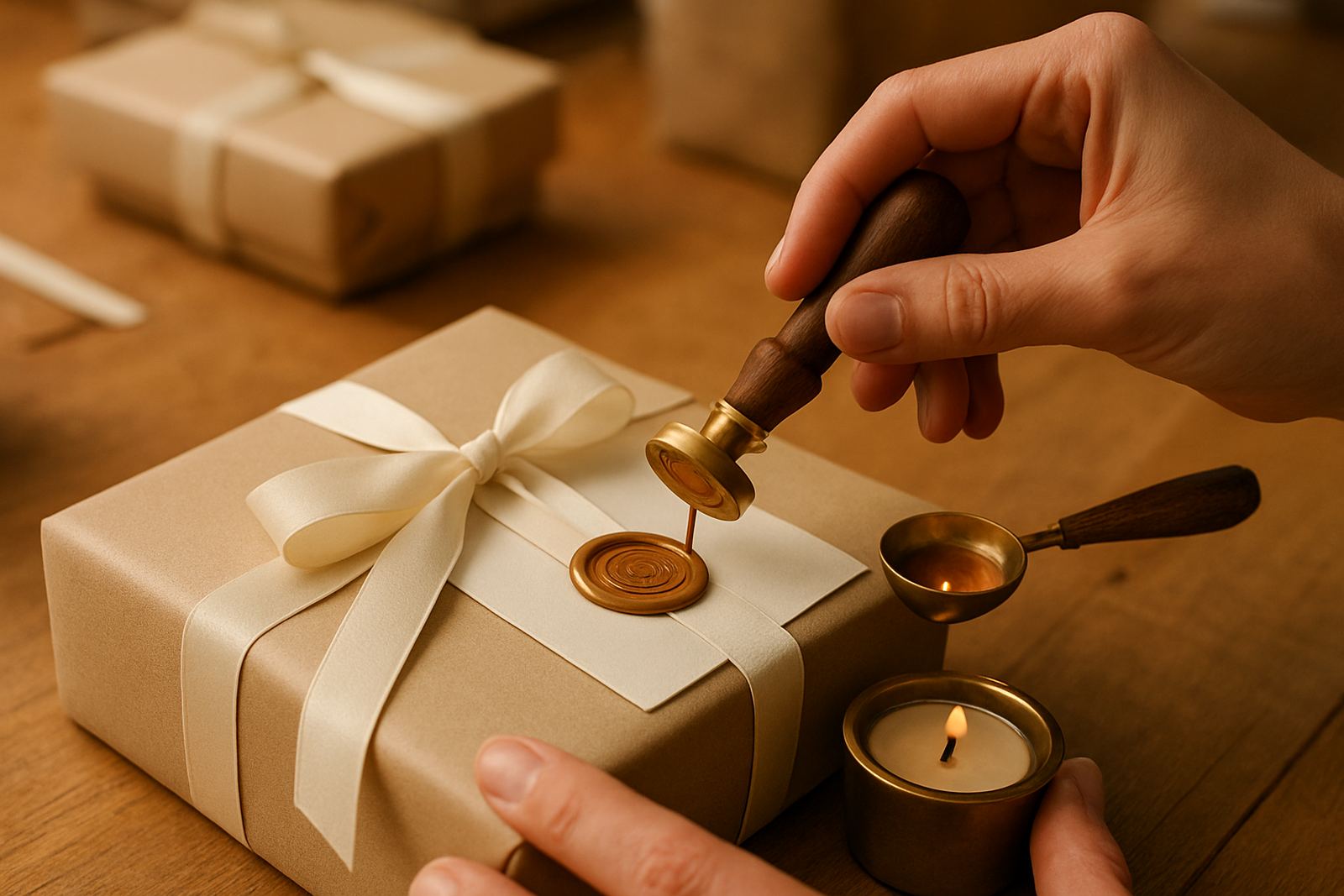
Ribbon does more than decorate a package. It gives structure, covers joins and helps a gift look complete. For weddings, favour a softer tie with tails that sit evenly. For a formal birthday or thank-you gift, a tighter bow often works better because it holds its shape and reads well from a distance. A narrow ribbon suits small boxes, while wider ribbon can balance a larger hamper or layered present.
If you are matching colours, use one main tone and one accent rather than too many shades at once. That keeps the finished piece clean and makes the gift feel intentional. A slightly asymmetrical loop can be charming, but the tails should still be cut cleanly. Tiny uneven ends are one of those things people notice straight away, even if they cant say why.
Hamper packing for transport and presentation
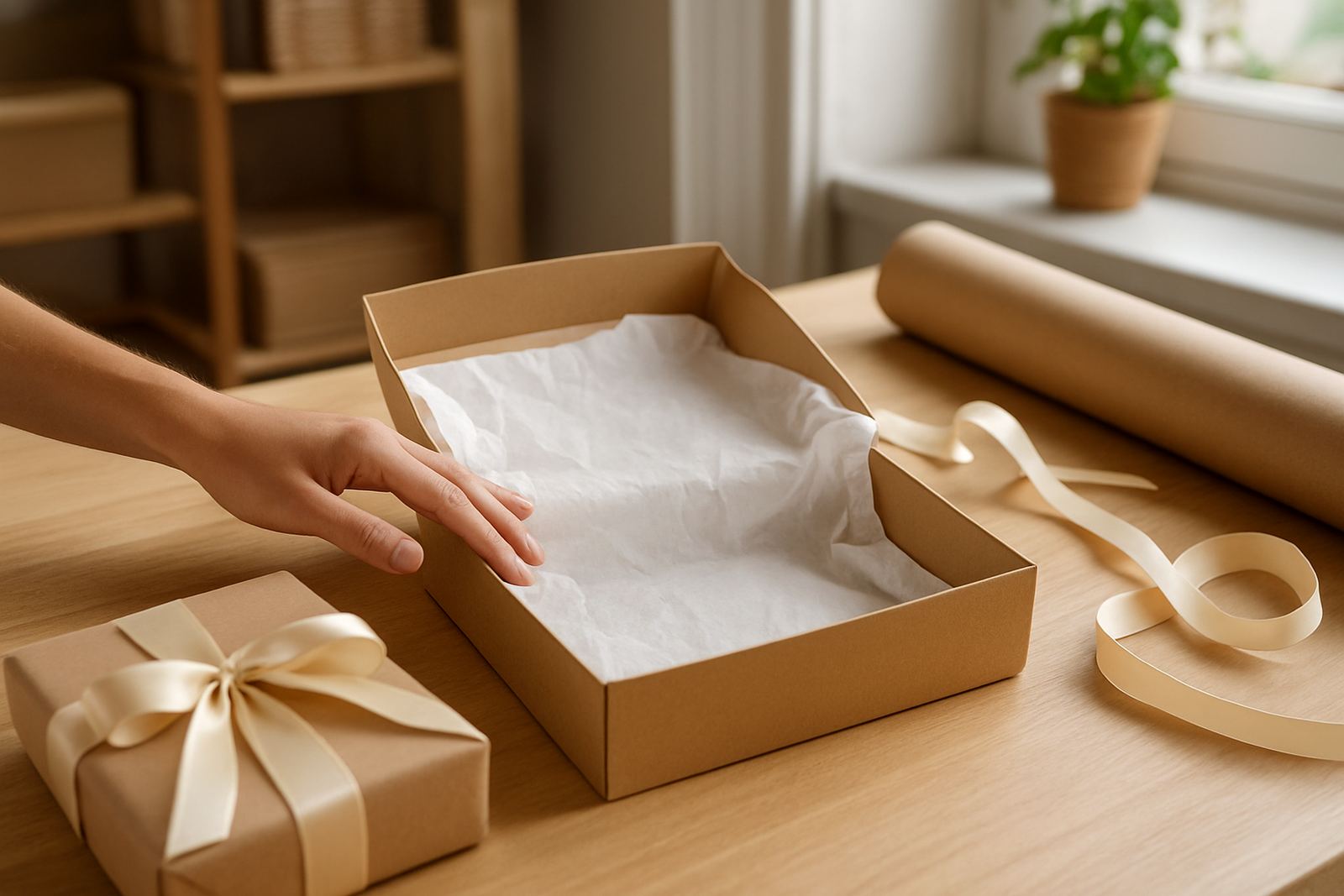
Hampers need to look full without shifting once they are lifted. Place heavier items low and build upwards with smaller products, tissue or filler where needed. If the hamper is going by courier, add support around bottles, jars and fragile pieces so they do not knock against one another. A neat top layer matters, but so does the packing underneath.
- Anchor tall items first, then fill the gaps.
- Keep breakables apart with tissue, card or insert material.
- Use a base that is strong enough for lifting and stacking.
- Seal the wrap or cover after checking the contents are level.
For corporate gifting programmes, consistency across each hamper is just as important as the contents. If one unit sits 10 mm higher than the others it can throw off the whole batch, especially when the gifts are lined up for an event handover.
Gift note writing that sounds natural
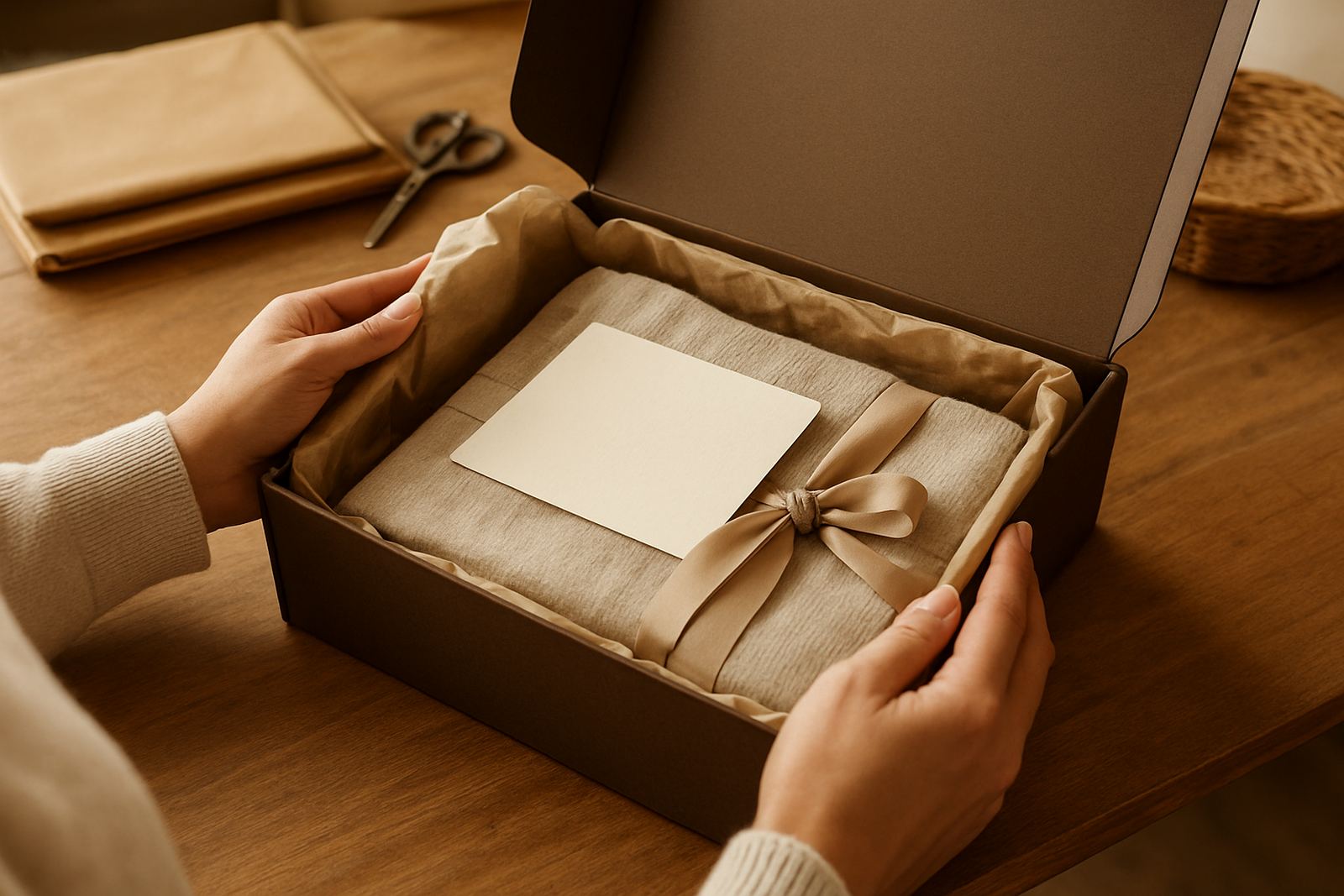
A good gift note is short, direct and easy to read. It should feel warm without trying too hard. Use the person's name if you know it, keep the message focused on the occasion and sign off in a way that suits your relationship with the recipient. For business gifting, mention the reason for the gift and keep the tone professional.
If the note is being added to a large order, write it before the wrapping stage so it is not forgotten. Check spelling, names and dates before sealing anything up. A note with the wrong name can undo an otherwise neat presentation, and it is a small error that can travel all the way to the final handover.
When to follow a quick guide and when to plan ahead
Some gifts only need a simple wrap and ribbon tie. Others need a fuller plan, especially when there are multiple colours, personalised notes or delivery timing to think about. Seasonal orders around Christmas, Mother's Day and year end functions usually benefit from earlier preparation because supply, lead times and collection slots can become tight.
If you are preparing for a wedding, conference or client event, build in time for test wraps and sample folds before the final run. That helps you spot issues with size, ribbon width or presentation order before the main batch is packed. It is a small step but it saves a lot of rework later on.