
Start With the Guest Journey, Not the Gift
A good favour display should answer three simple questions: where do guests see it, when do they collect it, and how does it fit the rest of the table setting. If the favours arrive after the meal is served, keep them close to the charger or on a side console so they do not crowd plates, glasses and menus. If they form part of the welcome, place them at each seat before guests arrive.
In Sandton weddings and corporate functions, we often see the best results when the favour display is planned with the seating chart, florals and place cards at the same time. That way the table does not feel overdone, but it still looks finished. A small box, a wrapped sweet, or a ribboned keepsake can carry the whole styling if the colours are consistent and the scale is right.
- Match the favour size to the table size, not just the budget.
- Keep walkways clear for service staff and elderly guests.
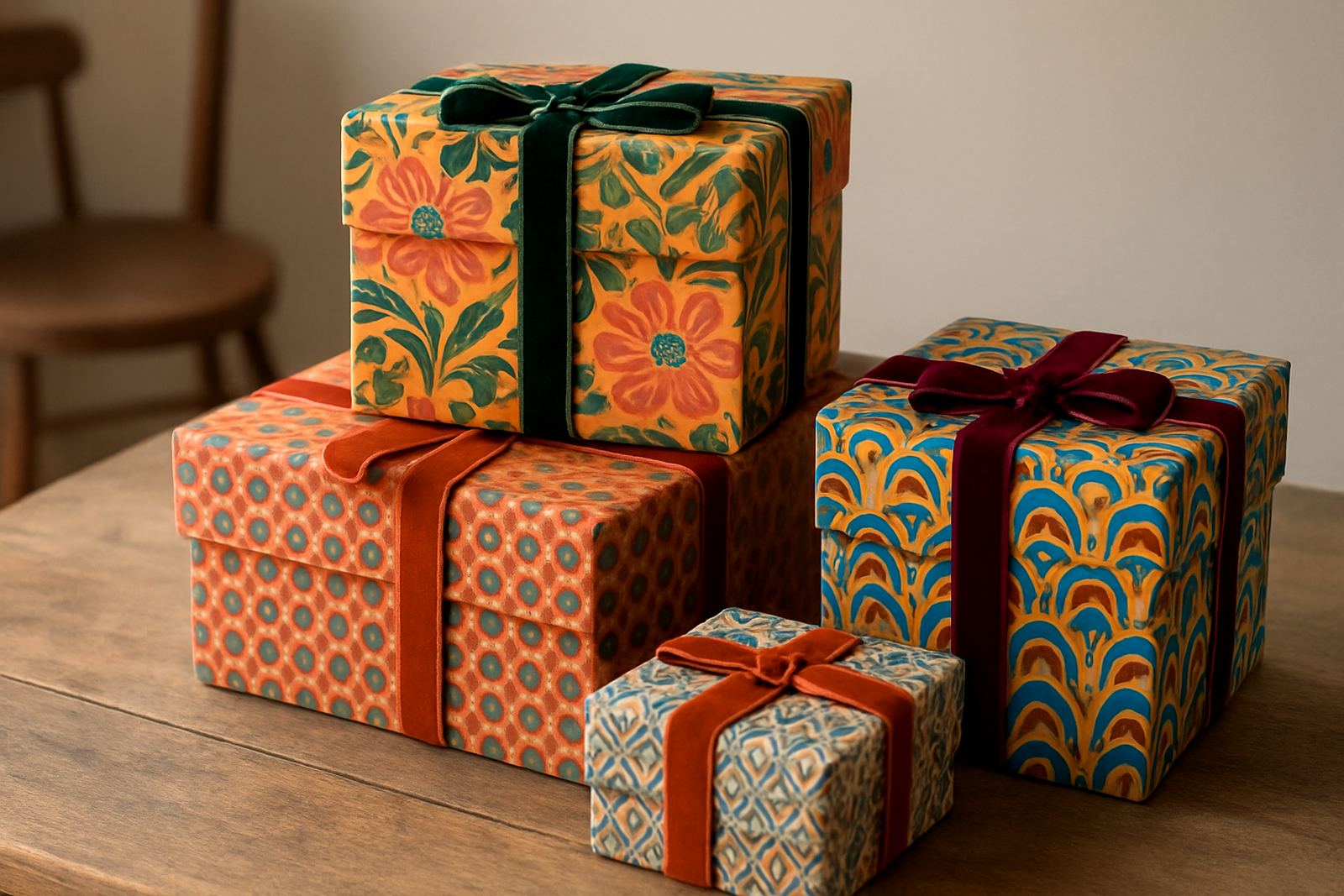
- Use the same colour family across napkins, florals and packaging.
- Test the view from standing height and seated height.
Use Layers So the Table Looks Planned
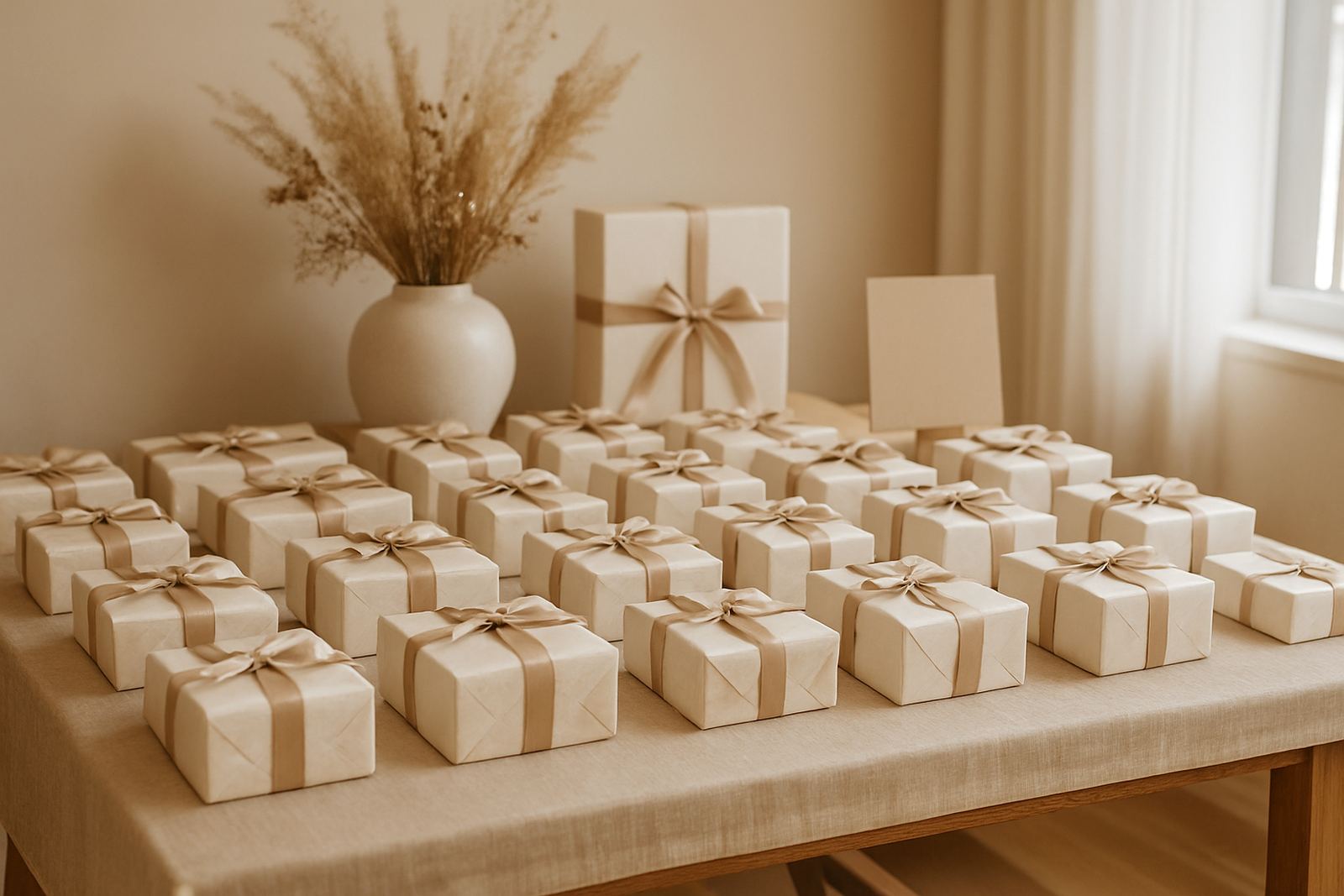
Layering is one of the easiest ways to make favours feel intentional. Start with a base such as linen, timber, acrylic or a printed placemat, then add the favour on top. A ribbon, name tag or wax seal gives the eye a place to land. For round tables, a central cluster works well. For long banquet tables, repeating a single favour every second place setting creates rhythm without clutter.
This is especially useful for Cape Town venues where wind can move lighter items if the venue opens onto a terrace. Heavier boxes, weighted cards or tied bundles tend to stay in place better. In humid Durban settings, sealed packaging is a smart choice because paper and soft finishes can lose their shape by late afternoon, especially if the room is busy and doors are opening and closing often.
- Layer from the table up: base, favour, note, ribbon, then floral detail.
- Use repetition for long tables so the arrangement feels balanced.
- Choose packaging that can handle heat, moisture and transport.
- Leave enough space for cutlery, glassware and serving dishes.
Make the Favour Part of the Place Setting
When favours sit inside the place setting, they become part of the welcome. A small box tied with ribbon can sit on top of the napkin, while a note card tucked into the fold gives the guest a personal message. For formal events, the favour can double as a place marker. For more relaxed celebrations, a hand tied bundle or small wrapped treat gives the table a softer look.
Corporate functions often work well with this approach because each guest receives the same item in a neat, professional format. It also makes setup faster. A team can pack, label and place the favours in order before the event starts, which matters when there is a tight turnaround between the ceremony, cocktail hour and dinner service.
- Combine name card and favour when the guest count is fixed.
- Use fold-flat packaging if you need to pack items in stages.
- Choose notes with short wording so they stay readable at a glance.
- Keep the same tie style across all tables for a tidy finish.
Create a Favour Feature Table for Larger Functions
For bigger weddings, launches or year-end events, a feature table near the entrance can be more practical than placing favours on every seat. Guests collect their gift as they arrive, which reduces table clutter and helps with bulk packing. It also allows the styling to be a little more dramatic with stacked boxes, tiered trays, signage and ribbon in one focal area.
A favour table is a good choice when you have mixed guest arrival times or when the venue has several service points. In Bryanston and Rosebank function spaces, for example, a side table near the host stand is often easier to manage than a full in-seat display. Add clear labels and keep the layout simple so guests understand what to do without asking the staff. One sign is enough, no need to overload the table.
- Use one central table for 80 guests or more if the room layout is tight.
- Stack items in height order to avoid a flat, empty look.
- Include a small sign with a direct instruction, such as take one per guest.
- Place heavier items at the back and delicate items at the front.
Choose Materials That Suit the Weather and Venue
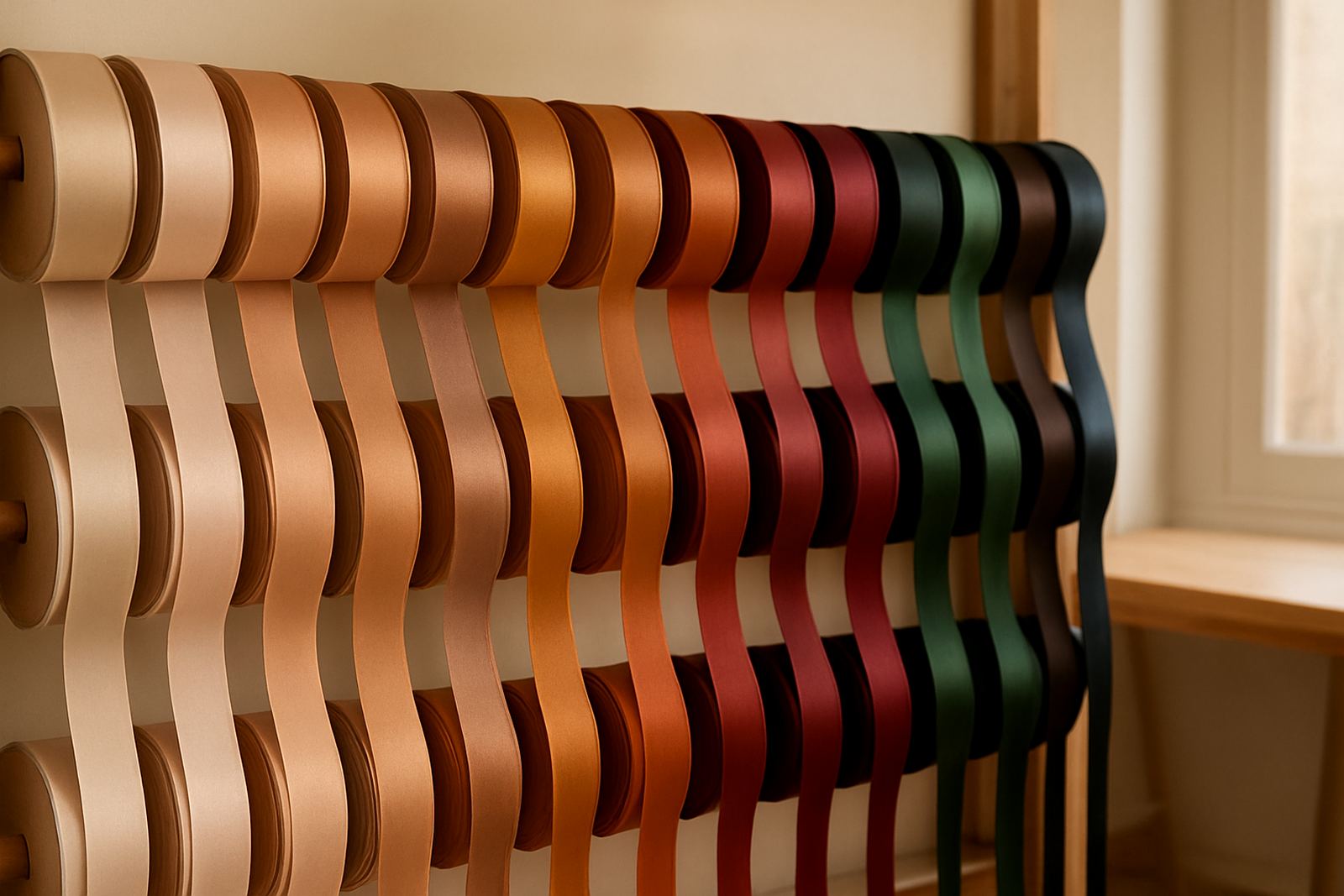
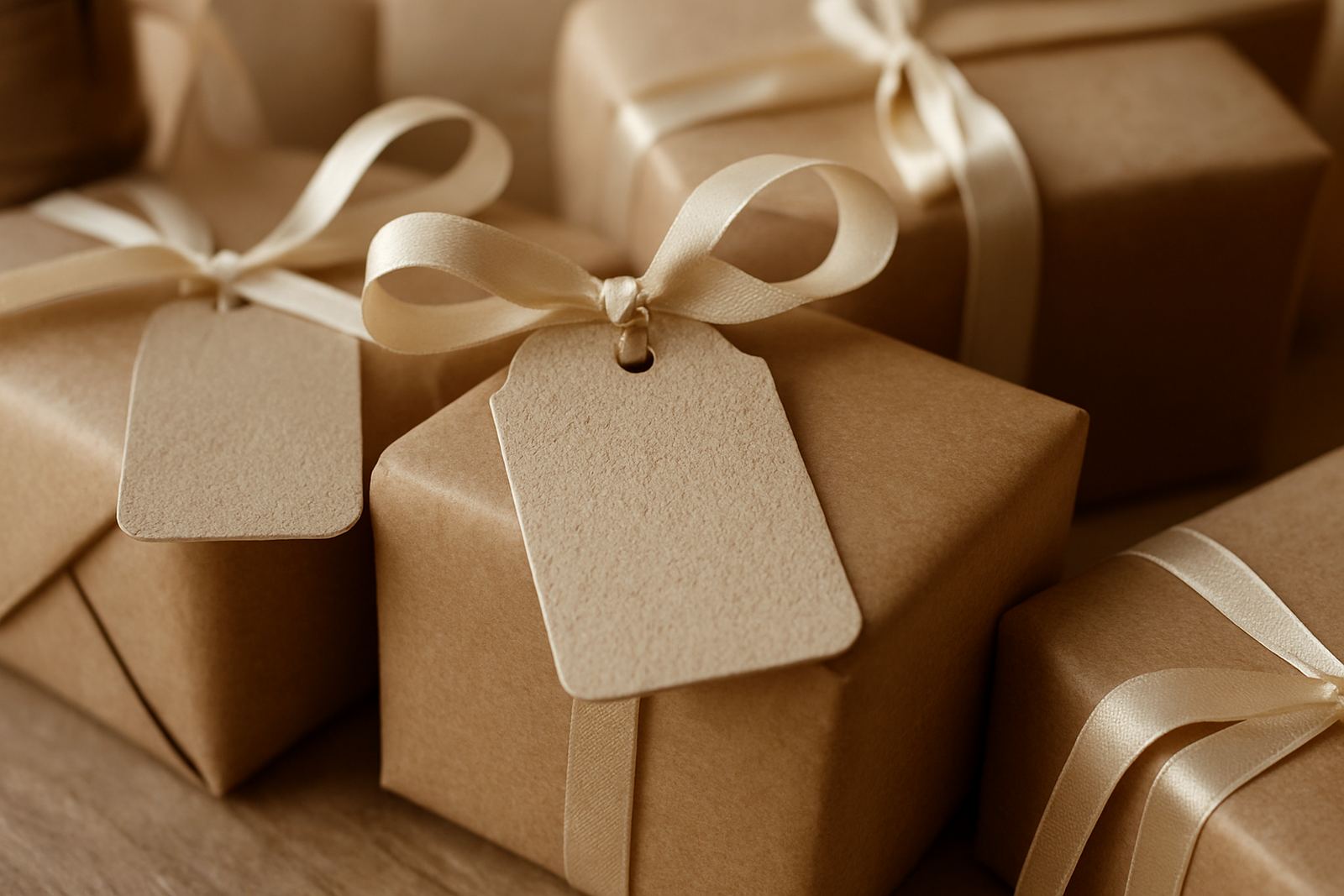
South African events often move between indoor and outdoor spaces, so the material matters. Satin ribbon looks smart but should be handled carefully in humid weather. Kraft paper is practical for a rustic setting, while matte boxes hold up better than thin wraps when travelling across town or into a coastal venue. If the event is outdoors, consider a display that will still look good after a breeze or a little heat.
For summer weddings in Umhlanga, sealed favour boxes and tied tags usually last better than open packaging. In colder months in Johannesburg, dry air can make some papers crisp and brittle, so it helps to avoid very fine folds. If the favours include food, make sure the packaging keeps them clean and presentable right up to the table. A well chosen finish saves time and frustration, especially when load shedding has affected prep schedules and the final setup must happen quickly.
Add Personal Details Without Slowing Setup
Small personal touches make a display feel thoughtful, but they need to be easy to execute at scale. Ribbon personalisation, short notes, and simple colour coding can give each favour a custom feel without creating hours of handwork. If you are styling a wedding, a printed thank-you line or the couple's names and date may be enough. For a business function, a discreet logo or message of appreciation works well.
Planning ahead is the key. A display that looks simple on the day often took careful packing behind the scenes. That means counting the guest list properly, allowing a few extras, and coordinating collection or delivery so everything arrives in the right order. It also helps to keep one spare box or tray on hand for late additions, because there is always someone unexpected at the last minute and no one wants the table to look short.
- Keep one style guide for ribbon, tags and packaging across the event.
- Allow extra units for plus-ones, staff and last-minute changes.
- Use short messages so personalisation stays clean and readable.
- Pack favours in table order to speed up setup on site.