
Start with the item, not the wrap
Good packing begins by looking at the object itself. A glass candle, ceramic mug, framed print or bottle gift all need different support, so do not use the same approach for every item. Check for sharp edges, loose lids, handles, or anything that can shift in transit. If a gift rattles when you lift it, it needs extra fill or a firmer inner wrap.
For delicate pieces, keep the surface clean and dry before wrapping. This matters in coastal humidity, especially in Durban and Umhlanga where paper can pick up moisture faster than expected. In Sandton offices, a wrapped gift may sit under aircon for hours, then move into heat and traffic, so the packing must cope with those changes too.
- Use tissue first to protect glossy or scratch-prone surfaces.
- Separate breakable items from heavier contents in a hamper.
- Keep lids, lids seals and loose parts taped or tied in place.
Build a protective layer before the decorative finish
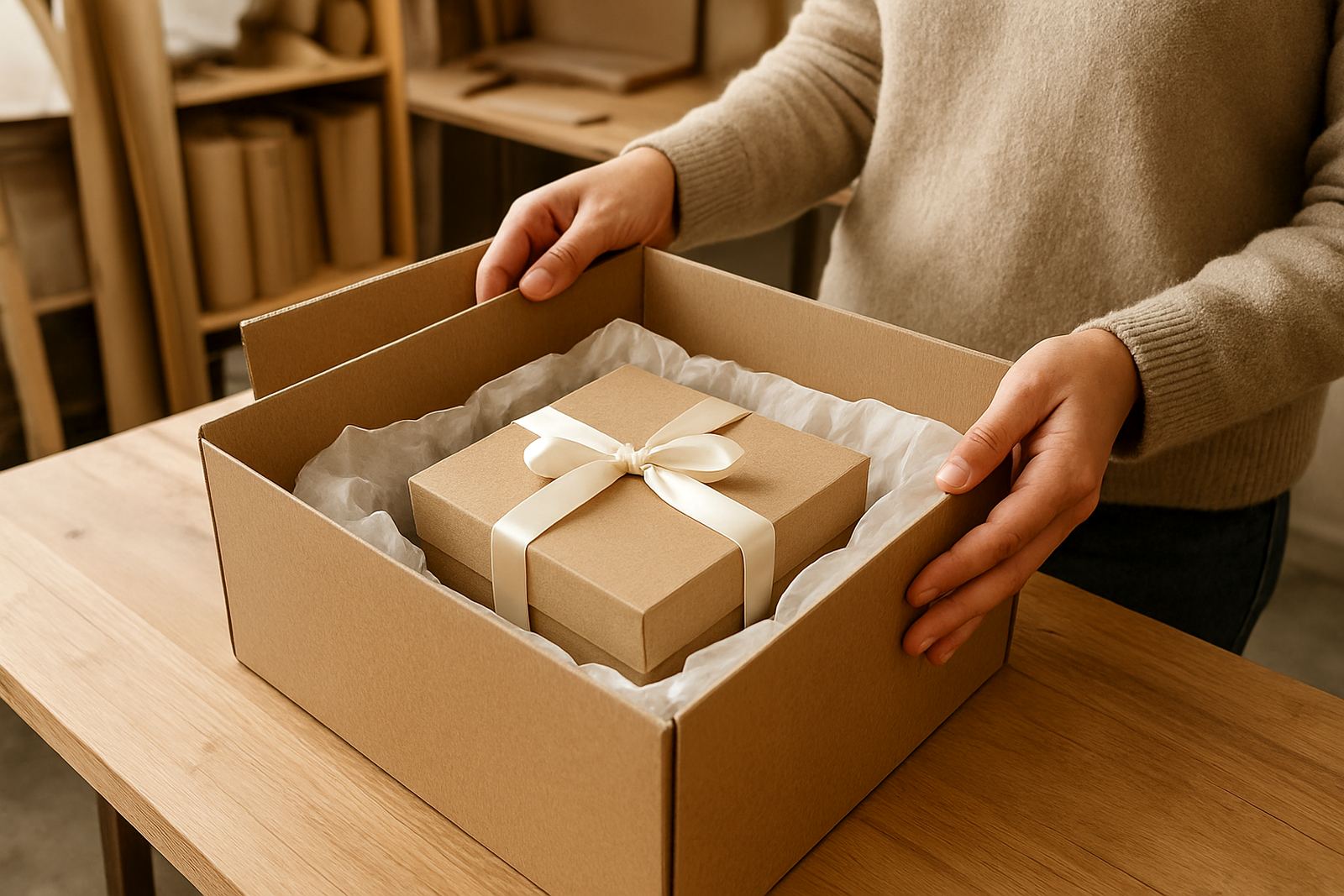
The neatest gift wrapping often starts with hidden protection. A soft inner wrap gives the gift shape and stops movement, then the outer paper or box creates the presentation. For heavier items, a double layer is usually worth it. Thin paper alone can tear at the folds, especially on corners and bottle necks.
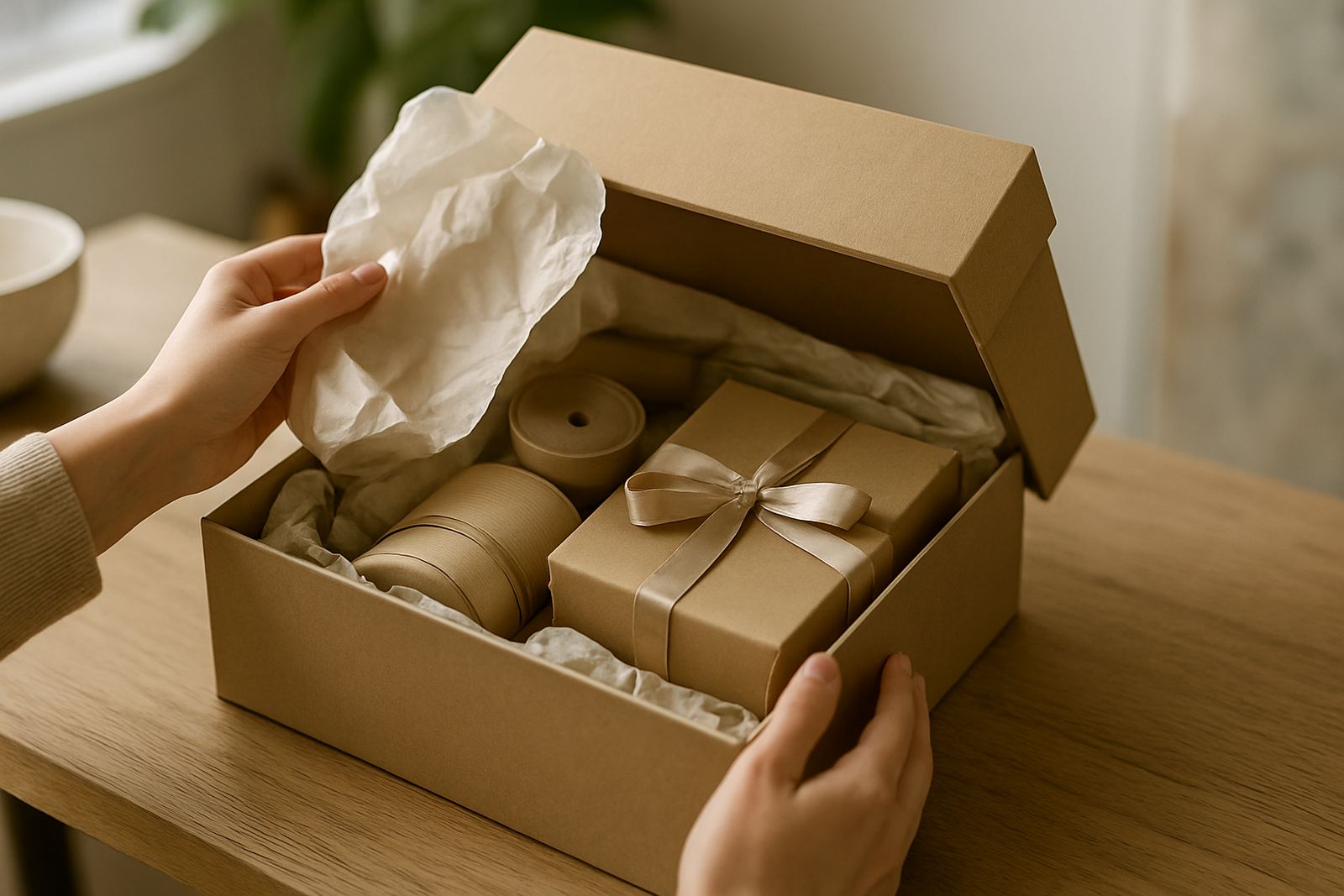
Use tissue, shredded paper, corrugated inserts or folded card supports depending on the item. A boxed hamper for a client in Rosebank might carry ceramics, chocolates and a note card all in one pack, so the base must hold weight without collapsing. If the contents are loose, add fill at the sides and top so the lid closes snugly not loosely.
- Pad corners and bases before adding ribbon.
- Keep fragile items upright whenever possible.
- Choose a box that fits closely to reduce movement in transport.
Choose paper and ribbon that work as hard as they look
Luxury wrapping only works when the materials behave properly. Thick wrapping paper handles folds better than very thin paper, and it hides small bumps from the contents underneath. Satin ribbon, grosgrain or textured cord can give a formal finish while helping keep layered paper in place. For very delicate gifts, avoid overstretching the ribbon, because that can pull the paper out of shape.
In corporate gifting, consistency matters. A run of twenty client gifts needs to look identical, even if the contents vary slightly. That is where measured cutting, neat corners and colour control help. In practice, it means the wrapping should look planned, not rushed, and the protective work must stay hidden.
- Match paper weight to the size and shape of the item.
- Use ribbon to anchor, not crush, the wrapping.
- Keep printed finishes away from areas that will rub during delivery.
Use inserts and separation for hampers and mixed gifts
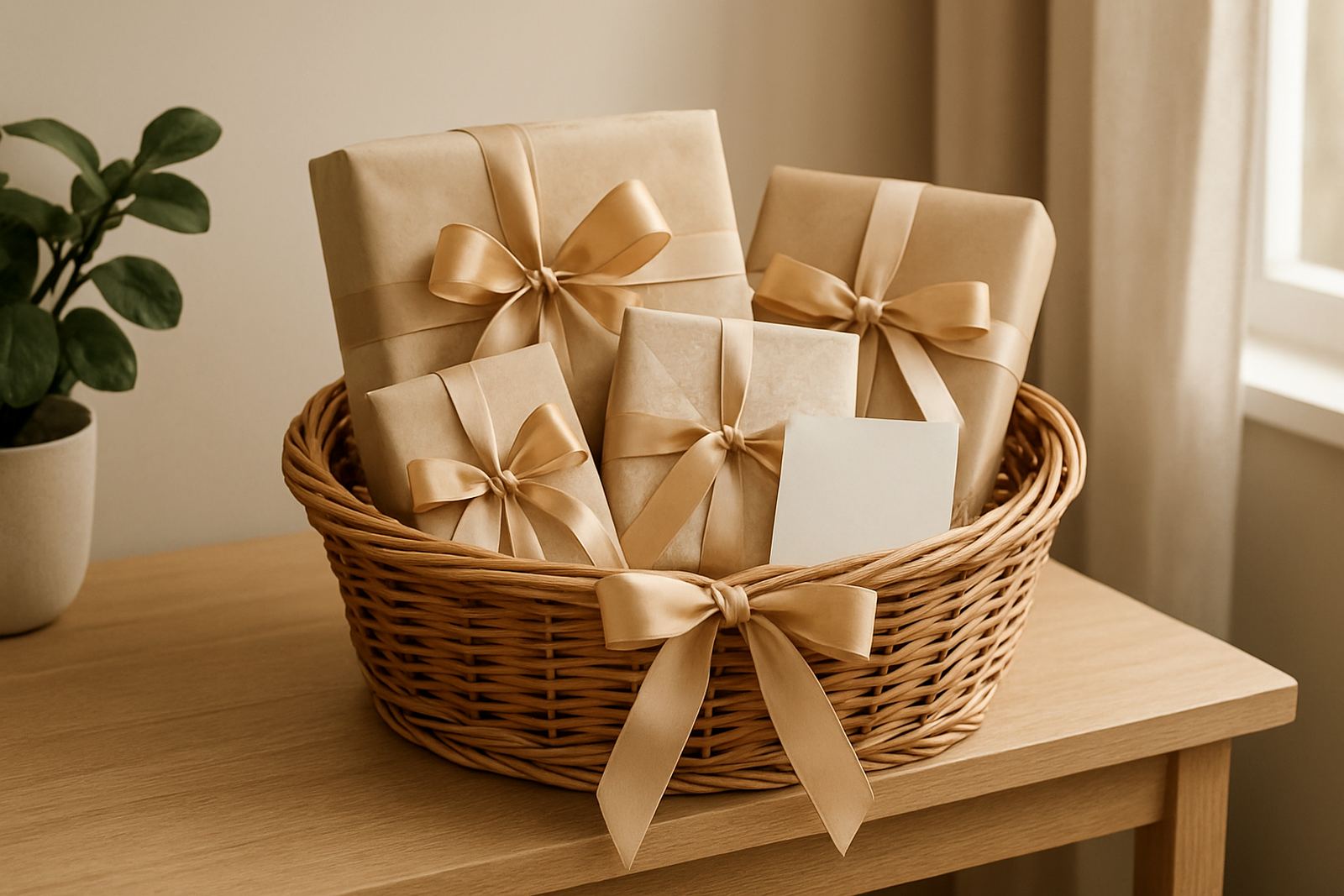
Mixed hampers are where fragile packing can go wrong fast. A wine bottle, glass jar, soap bar and card all behave differently in the same box, so separation is essential. Without it, one item can knock against another during collection and delivery. A simple card divider or filled cell system can stop that damage before it starts.
For wedding favours and event gifting, the presentation needs to stay tidy through handling at venues, loading at warehouses and final placement on tables. If the venue is in Cape Town and the setup must travel through traffic, wind and cooler coastal air, seal the contents tightly and keep lighter items from lifting or shifting.
- Group items by weight and fragility before packing.
- Place the heaviest item at the bottom and centre.
- Use dividers for glass, ceramics and bottles.
Plan for collection, delivery and venue setup
Beautiful packing is wasted if it fails in transit. Think through the journey from studio to client, venue or office. A wrapped gift may move from a Sandton studio into a delivery vehicle, then be carried into a boardroom, foyer or banquet hall. Every handover adds risk, so the pack must be closed properly and easy to carry.
For load-shedding days, avoid relying on glue that needs long setting times if the parcel has to move quickly. Pressed folds, good tape placement and tight box closure are safer when schedules are tight. If the gift is for a function in Bryanston or a corporate event in Cape Town, label the top and include handling notes where needed.
- Mark fragile parcels clearly for handling teams.
- Use sturdy outer bags or cartons for long-distance trips.
- Confirm collection and delivery windows before final packing.
A Sandton example: a glass-and-chocolate client hamper
A recent-style corporate hamper for a Sandton boardroom might include a glass diffuser, artisanal chocolates, a handwritten note and branded ribbon. The diffuser needs tissue, then a snug inner box, while the chocolates need a cool, dry space with no pressure from above. If the same hamper is travelling to Durban, the packing also needs to manage warmth and humidity on the road.
The best result comes from layering the protection in stages: wrap the glass item, separate the food from the fragile piece, pack the base firmly, then finish with a clean outer presentation. The final look should feel calm and intentional, even though the hidden work underneath is doing the hard part. That is what gives fragile gifting its value, especially when the recipient is opening it in front of colleagues or at a wedding table.
- Test the box by gently lifting and tilting it before delivery.
- Check that nothing slides when the parcel is moved side to side.
- Add a final note card only after the main packing is secure.