
Start With The Gift, Not The Packaging
The best filler choice depends on what you are trying to show off and what you need to protect. A bottle of bath oil needs steadier support than a soft scarf, while a hamper with biscuits, a mug and stationery needs structure so items do not shift in transit. If you begin with the contents, the tissue and filler work with the gift instead of fighting it.
For a small token, one or two sheets of tissue can create enough lift and softness. For larger hampers, use filler to build height at the back and sides, then place the main item slightly forward so the eye lands on it first. The aim is to make the gift look full without cramming it. Too much stuffing can make a hamper look forced and also crush lighter items.
- Use firmer filler for glass, ceramics and mixed hampers.
- Use softer tissue for clothing, sweets and lightweight gifts.
- Keep the visible top layer neat, even if the lower layers are more practical.
Choose Tissue Weight And Colour Carefully
Tissue paper is not only decorative, it sets the tone. Pale tones give a soft, formal feel, while deeper colours create more contrast and drama. For weddings, white, ivory, blush and champagne shades usually work well. For corporate gifting, brand colours can be repeated in a restrained way so the gift feels on message without looking loud.
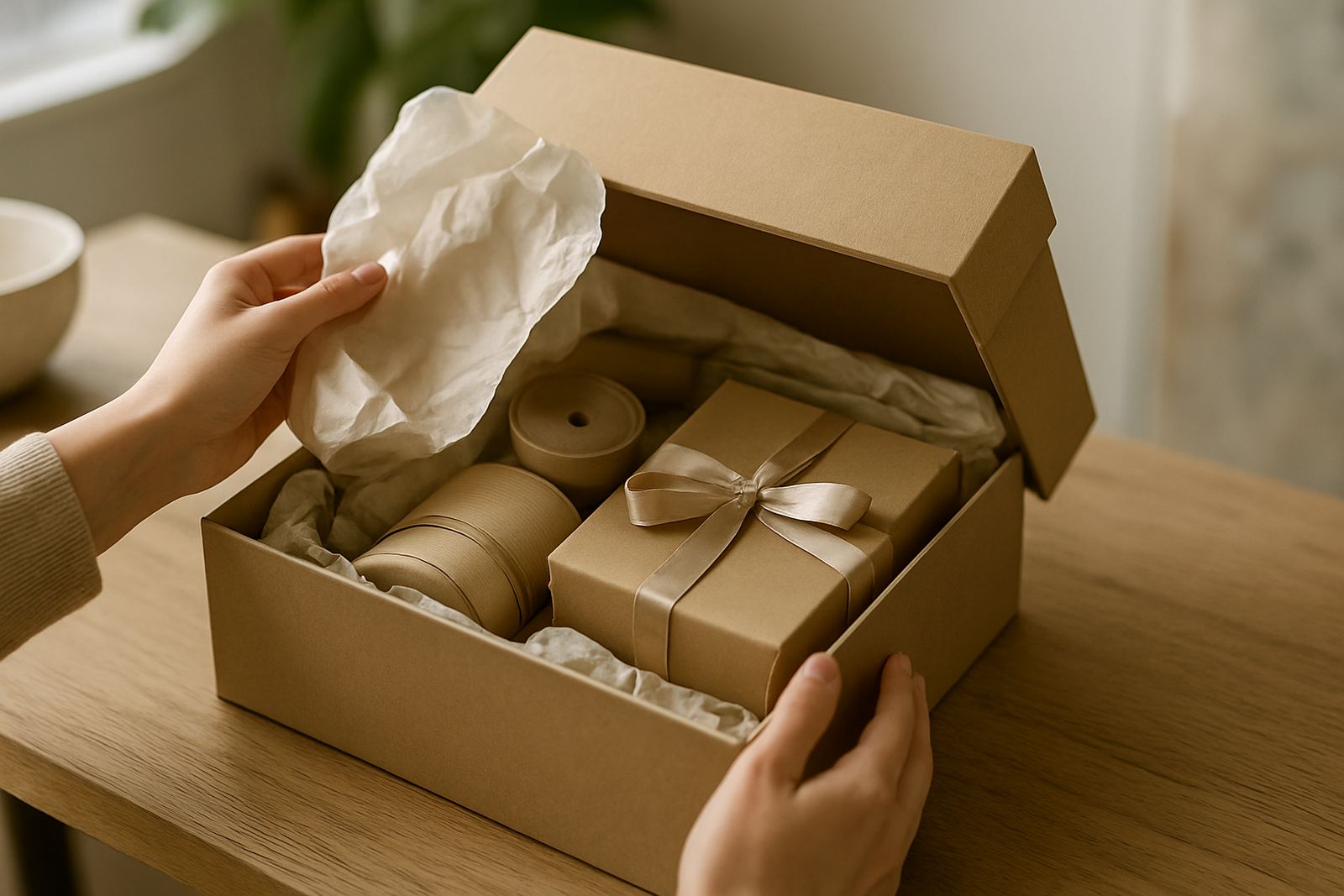
Weight matters too. Thin tissue folds easily and gives a gentle finish, but it can tear if the item has sharp corners. Slightly heavier tissue is better for candles, boxed sets and products with edges. In humid coastal conditions like Durban, tissue can pick up a bit of moisture if it is left open for too long, so keep sheets stored flat and dry. It sounds simple, but it saves a lot of frustration.
- Match tissue colour to the event or brand, not just to the ribbon.
- Use heavier tissue for angular items and open boxes.
- Store tissue away from direct sun and damp air.
Build Height Without Making The Gift Look Stuffed
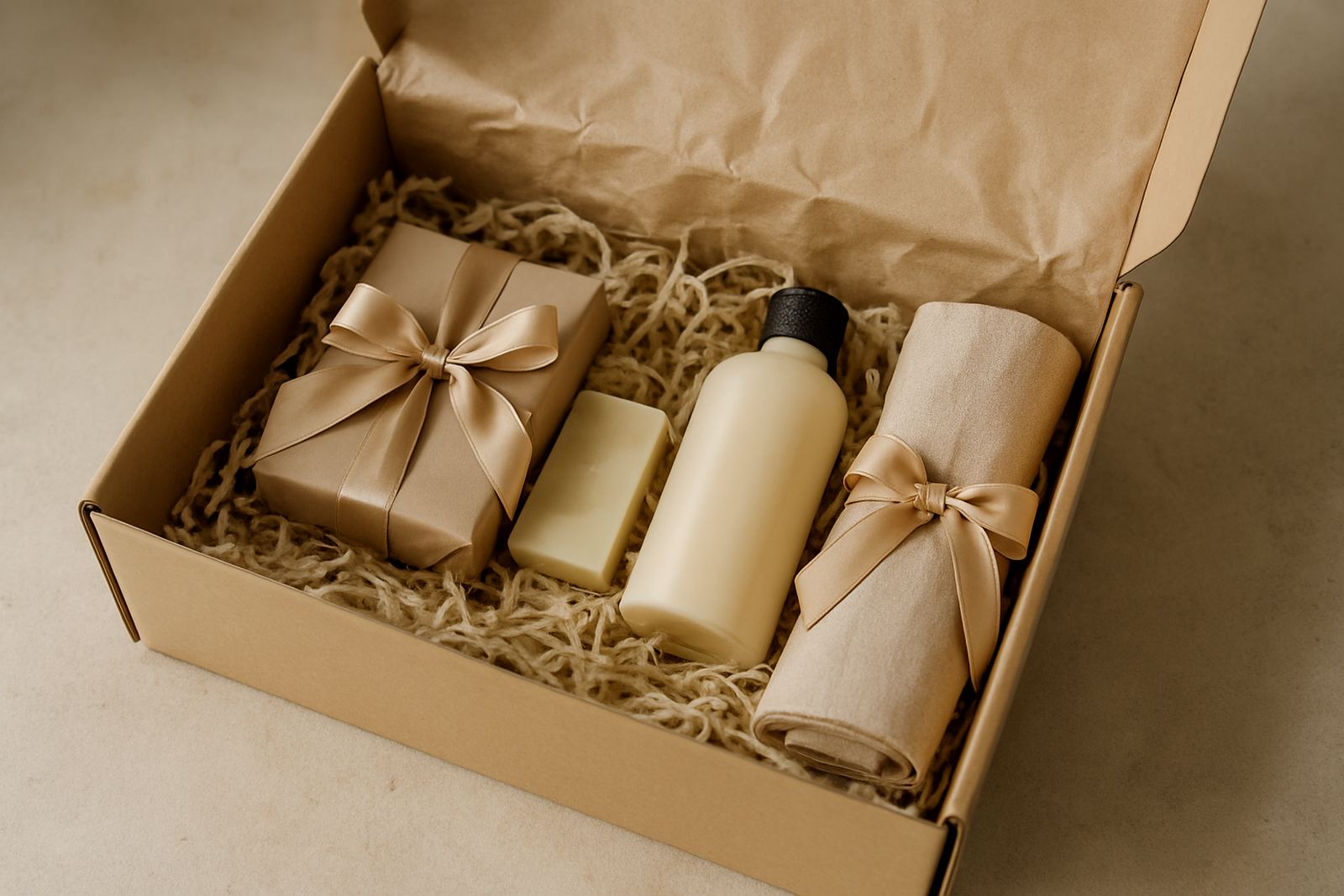
Filler is there to create shape and support, not to hide bad packing. Crinkled paper, shredded paper, paper wool and tissue twists can all work, but they should be placed in layers. Start low in the container and add support around the sides before filling the centre. That gives a fuller look and helps stop items sinking during delivery.
A common mistake is putting all the filler on top. It might look generous at first, but once the gift is moved the contents settle and the presentation loses shape. In a Sandton office, for example, a corporate hamper going out to Rosebank may sit in a car for 20 minutes over stop-start traffic and then be carried across a foyer. If the filler has not been packed properly, the items shift and the top layer goes messy. A little care upfront avoids that.
- Place heavier items lower down for balance.
- Use filler to stop movement at the base and sides.
- Leave a small gap at the top so the lid or wrap closes cleanly.
Use Tissue To Soften Edges And Add Flow
Tissue is best when it creates movement. A flat, tight wrap can make even a lovely gift look stiff. Looser folds, gentle pleats and tucked corners soften the shape and guide the eye from one part of the gift to the next. This works especially well for wedding favours, where you want the whole table setting to feel coordinated rather than overly packaged.
Try layering two colours rather than using one flat sheet. For example, ivory underneath with a soft gold top layer can give depth without becoming flashy. For a baby shower or intimate birthday hamper, a single colour with one contrasting ribbon is often enough. If the gift already includes patterned paper, keep the tissue plain so it does not fight for attention.
When wrapping delicate items like glass, fold the tissue around the item in overlapping layers. The folds create a cushion and also stop the item from looking bare when the gift is opened. It is a simple trick, but it changes the whole feel of the reveal.
Match Filler To The Occasion And The Journey
Not every gift is staying on a table for photographs. Some need to travel, and that changes the packing approach. A hamper going from a Cape Town gifting point to Umhlanga for an event setup has to cope with collection, road movement and handling at both ends. Stronger filler, tighter side support and a neat top layer help the contents arrive looking as planned.
For weddings, use filler that complements the table styling and colour palette. For corporate gifting, think about the client’s image and the practical side of delivery. If gifts are being handed out at a function in Bryanston or in the Cape Town CBD, they need to be easy to carry and stable enough to stay attractive until the recipient gets home.
- Use firmer packing for long delivery routes and same-day event drops.
- Keep loose decorative pieces away from items that can stain or scratch.
- Check that the gift can be lifted without the contents shifting or falling out.
Finish With A Neat Reveal
The final look matters as much as the packing underneath. A gift should open in a way that feels intentional, not rushed. That means tissue edges should be folded cleanly, filler should not spill out the moment the lid lifts, and the top item should be visible without needing to dig through the contents. The reveal is part of the message.
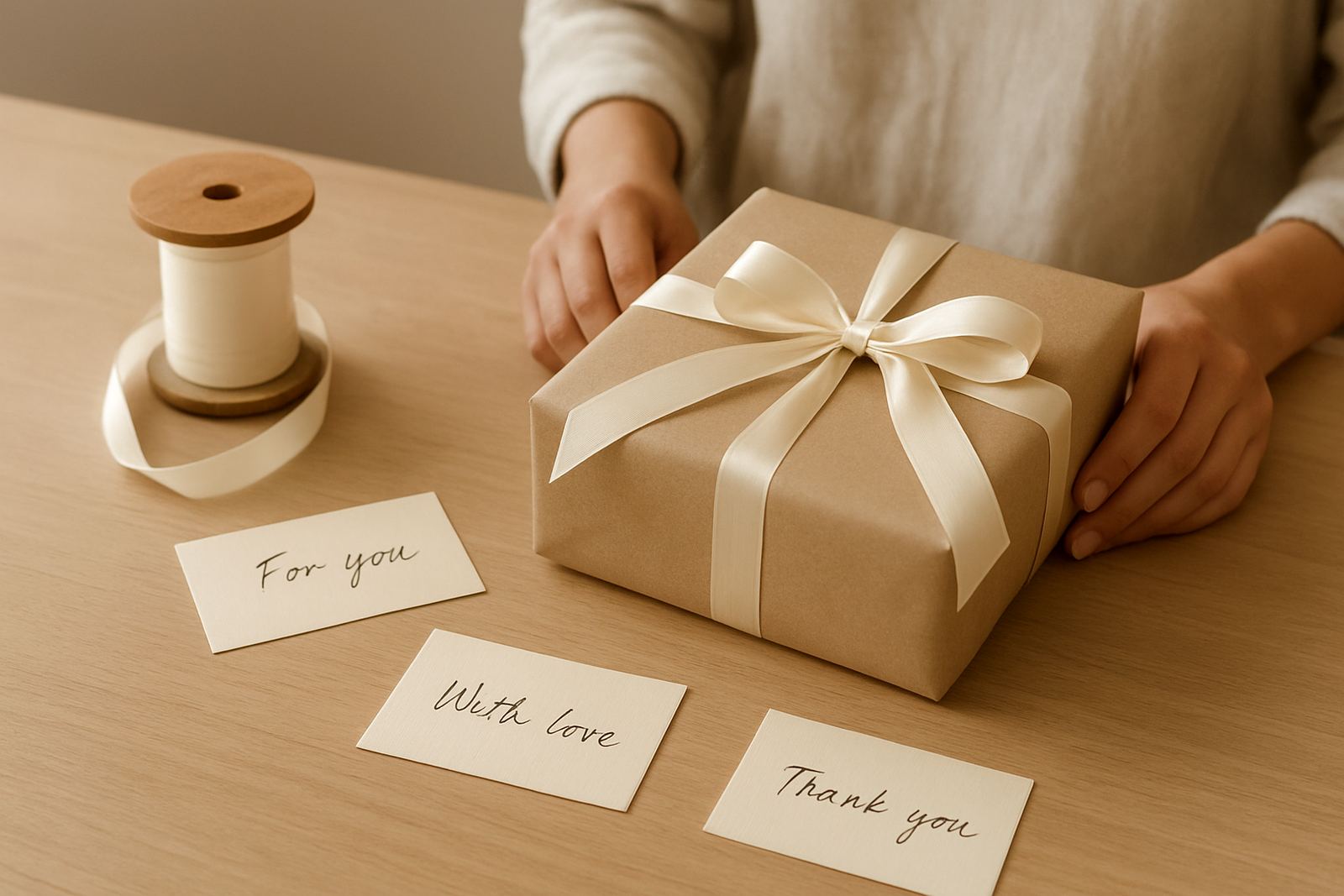
For a small corporate drop, a handwritten gift note tucked into the tissue can make the presentation feel personal without adding clutter. For a wedding favour, one well-placed fold and a tied ribbon may be enough. If the gift includes multiple pieces, arrange the top layer so there is a clear focal point. People notice order, even if they do not say so out loud.
Good tissue and filler work quietly. They support the gift, soften the look and make the recipient feel that the details were thought through. That is the difference between something that just arrives and something that feels ready to give.